How often should a chimney be cleaned?
Inspected every year. Swept when it needs it.
The real answer depends on what you burn and how much. Here is the schedule we recommend by fuel, what each level of inspection covers, and when to book. Photos from jobs in Succasunna, Morris Plains and Madison.
By FlueRite Chimney Co. · CSIA Certified · Montville, NJ
· 6 min read
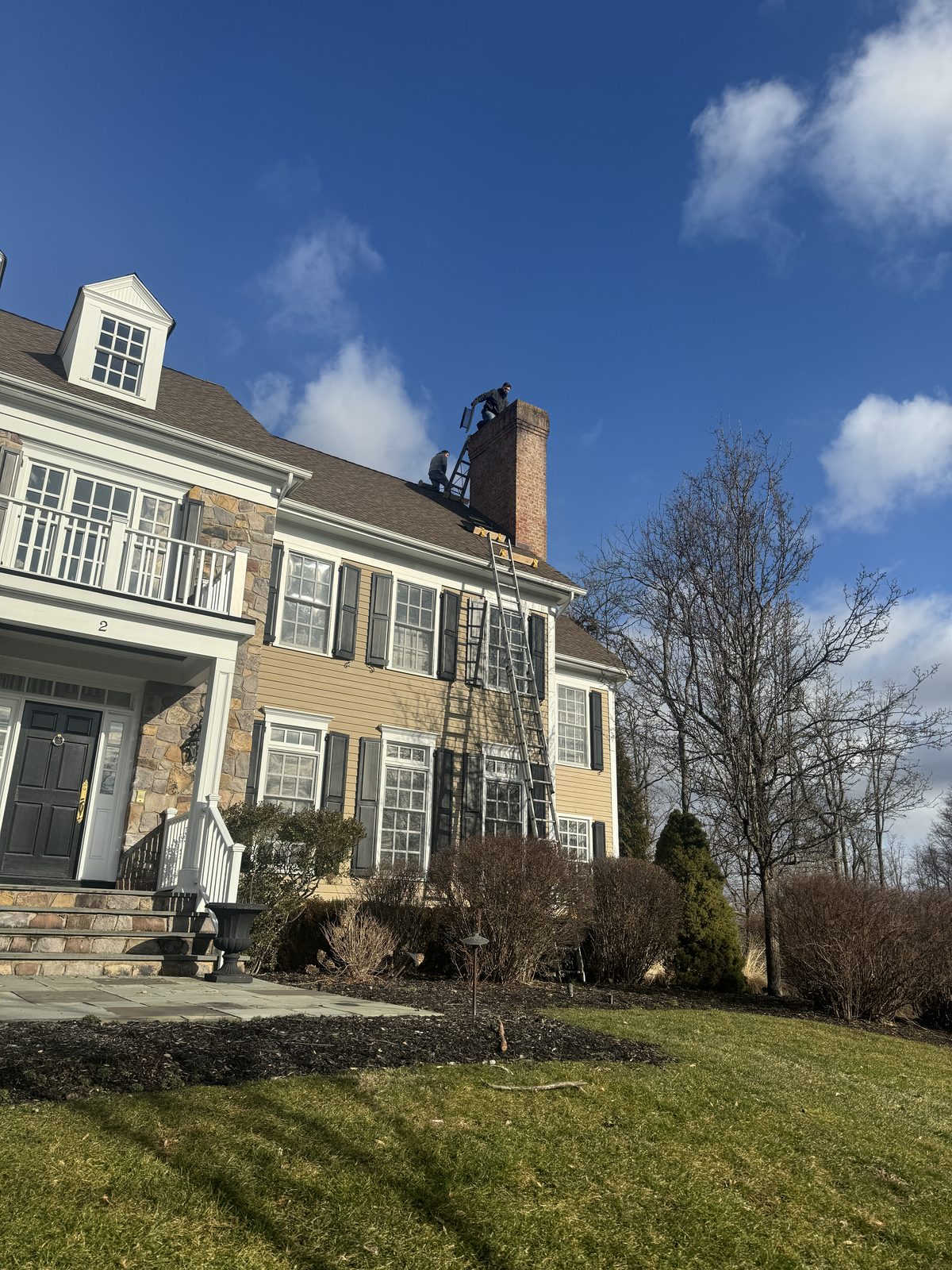
Every chimney and vent should be inspected once a year, whether you use it or not. That is the national standard, NFPA 211. Cleaning depends on the buildup: the Chimney Safety Institute of America recommends sweeping a masonry fireplace at 1/8 inch of soot, or sooner if there is glazed creosote. For most homes that burn wood regularly, that means a sweep every year.
- Inspection is every year. Sweeping is as needed, and the inspection tells you when.
- Wood leaves the most buildup, then oil. Gas leaves little, but its flues fail in other ways.
- A chimney you never use still needs a look. Nests, debris and water do not wait.
- Buying a house: ask for a Level 2 inspection, not just a home inspector's glance.
Is cleaning the same as inspecting?
No, and the difference matters. A sweep removes what has built up in the flue: soot, creosote, debris, the occasional nest. An inspection checks the condition of the chimney itself: the flue tile, the mortar joints, the crown, the cap, the flashing, the connection to the appliance and the clearance to the house framing.
NFPA 211 calls for chimneys, fireplaces and vents to be inspected at least once a year for soundness, freedom from deposits and correct clearances, and cleaned or repaired when that inspection finds a need. A sweep with nobody looking at the flue is half the job.
How often should a chimney be cleaned for each fuel?
| What the chimney serves | Inspect | Sweep | What builds up |
|---|---|---|---|
| Wood fireplace, a few fires a year | Every year | When the inspection finds about 1/8 inch of buildup | Soot and light creosote |
| Wood fireplace, regular fires all winter | Every year | Usually every year, before the season | Creosote, sometimes glazed |
| Wood stove or insert heating the house | Every year | At least once a year, sometimes mid-season as well | Creosote, fastest with slow, smoldering burns |
| Oil furnace or boiler | Every year | Usually every year, alongside the burner service | Soot and scale that collects at the base of the flue |
| Gas furnace, boiler or water heater | Every year | Only when needed | Little soot, but nests, debris and condensation damage |
| Fireplace or flue you never use | Every year | Rarely | Nests, debris and water damage |
Gas is where people most often skip the visit, because gas burns clean. The flue does not get dirty, but it does get blocked and it does deteriorate. Water vapor in gas exhaust condenses in cold flues and eats at clay tile and mortar from the inside, and a bird's nest in a water heater flue sends exhaust back into the house. That is why the annual inspection applies to every flue, not just the wood-burning ones.
Why 1/8 inch of buildup matters
Wood smoke cools as it rises and leaves creosote on the flue walls. It builds up in three forms. The first is a dry, sooty layer that brushes off easily. The second is flaky and crunchy. The third is glazed: a hard, tar-like coating that a brush cannot remove and that burns hotter than either of the others.
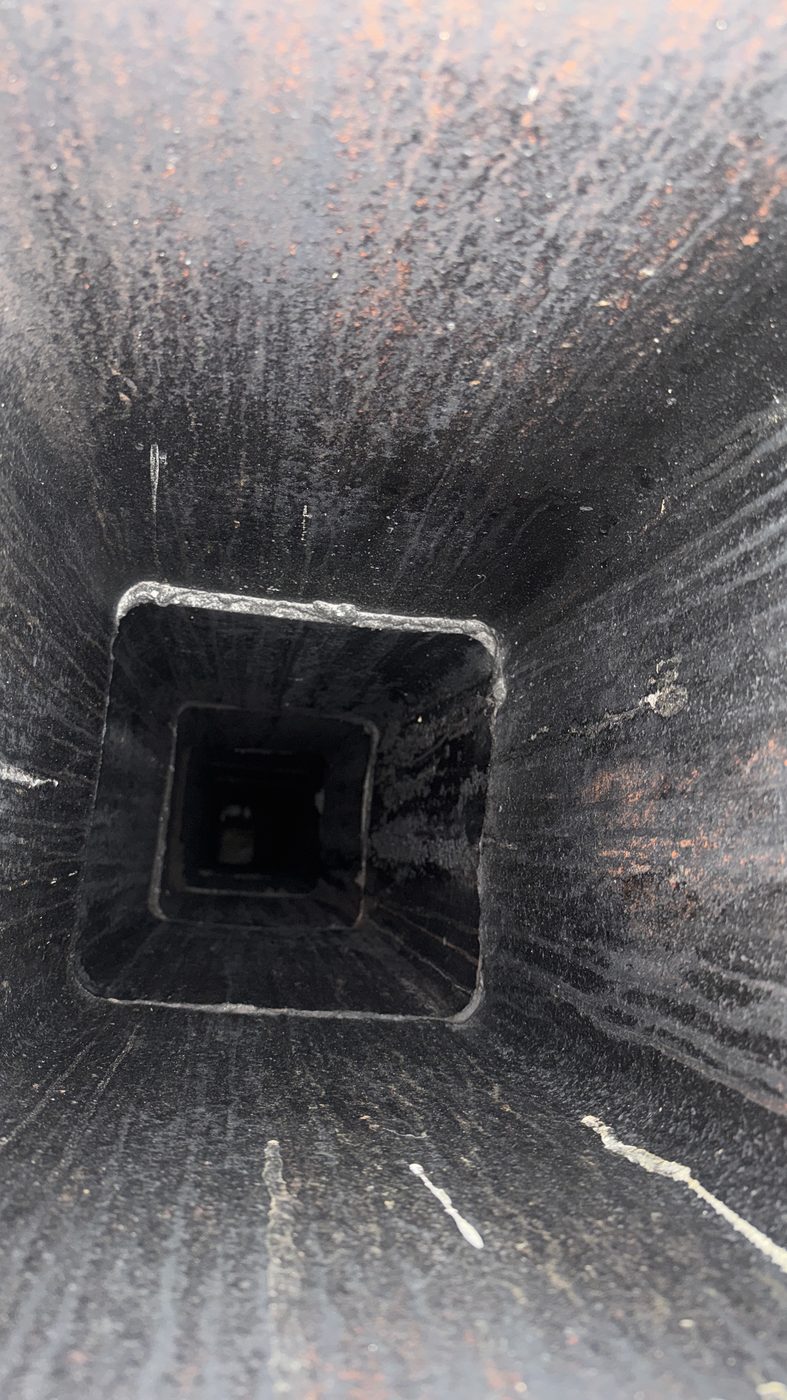
The Chimney Safety Institute of America recommends sweeping a masonry fireplace at 1/8 inch of sooty buildup, and sooner if there is any glaze. That is the point where a chimney fire becomes a real possibility. Many chimney fires are slow and quiet and go unnoticed, and the first sign is cracked tile on a camera inspection months later.
Creosote builds fastest when the smoke is cool and slow. The usual reasons:
- Burning wood that is not fully seasoned.
- Long, low, smoldering fires, especially overnight in a stove.
- A damper that is only partly open.
- A flue that is too large for the fire, or a chimney on an outside wall that runs cold.
Level 1, 2 and 3 inspections: which one do you need?
NFPA 211 defines three levels of chimney inspection. The level is set by what has changed, not by how worried you are.
| Level | What it covers | When you need it |
|---|---|---|
| Level 1 | The readily accessible parts of the chimney, inside and out, and the connection to the appliance | The annual check on a chimney in continued use, with nothing changed |
| Level 2 | Everything in Level 1, plus a camera through the full length of the flue, and accessible attics, crawl spaces and basements | When you change fuel or appliance, reline, sell or buy the house, or after a chimney fire or anything else that could have damaged it |
| Level 3 | Everything in Level 2, plus removing parts of the chimney or building to reach concealed areas | Only when a serious hidden problem is suspected and cannot be reached any other way |
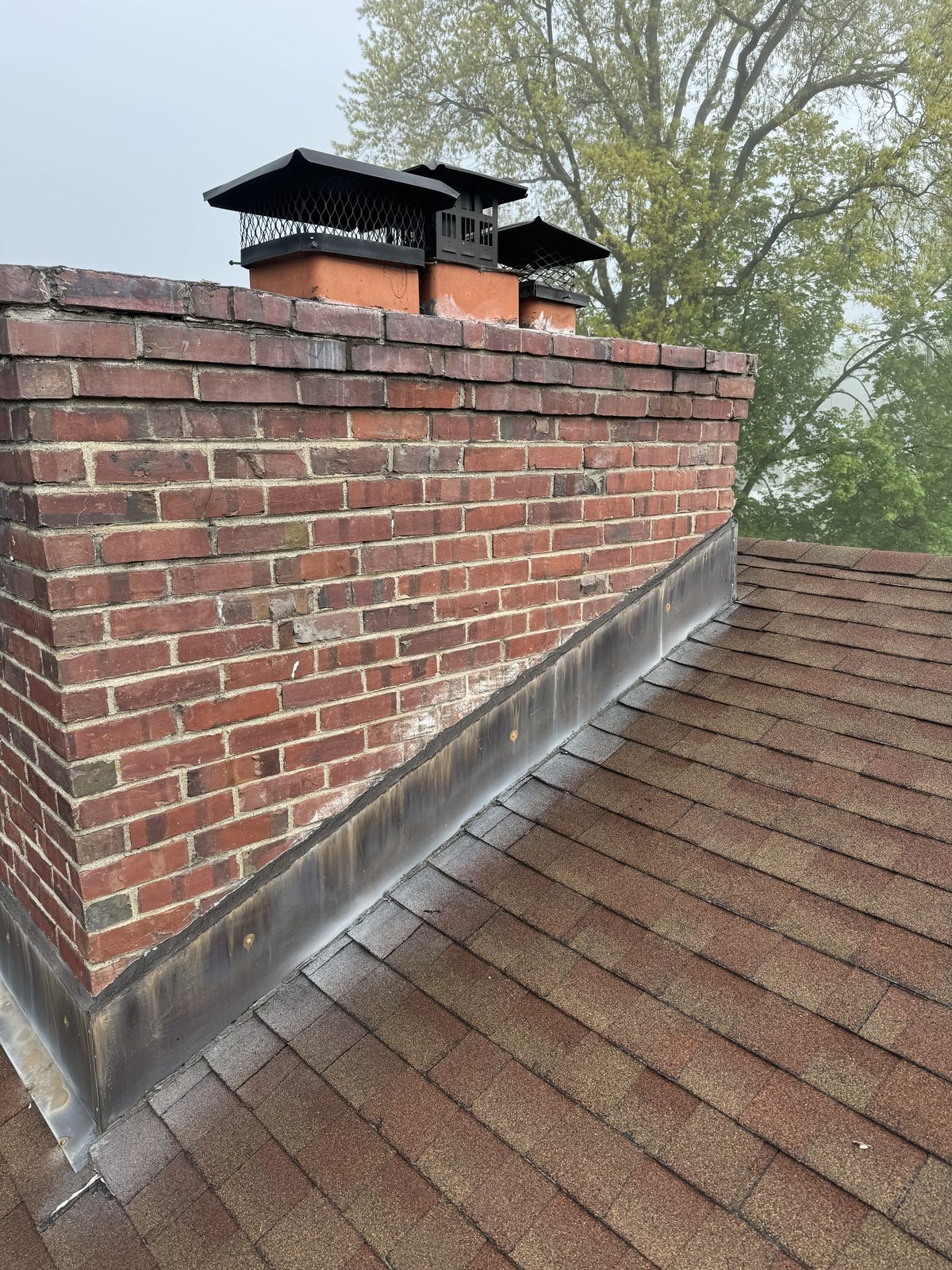
If you are buying a house in Morris County, ask for a Level 2. A general home inspection looks at the chimney from the roof and the firebox. It does not run a camera down the flue, and the flue is where the expensive problems are.
Signs a chimney needs attention before its annual visit
- Smoke rolling into the room, or a fire that is hard to start and slow to draw.
- A strong campfire or tar smell from the fireplace, often worse in humid summer weather.
- Black flakes falling onto the firebox floor.
- Water in the firebox or a rusted damper.
- Scratching or chirping in the chimney.
- Pieces of clay tile in the firebox or at the base of the flue.
When to book a chimney sweep in North Jersey
Fall is the busiest time of year for every chimney company in the area, because most people think of the chimney on the first cold night. Spring and summer are easier to schedule, leave time to handle anything the inspection turns up before the heating season, and are when a smell problem is easiest to diagnose.
If it is already fall and the chimney has not been looked at this year, book before the first fire rather than after it. For a furnace or boiler flue, that means before the heat comes on.
Sweeping and inspection questions
Do I need a chimney inspection if I only use my fireplace a few times a year?
Yes. The annual inspection is about the condition of the chimney, not only the buildup. Animals nest in flues that are rarely used, water damages crowns and tile whether or not you light a fire, and a cracked flue is just as dangerous on the third fire of the year as the hundredth.
Do gas furnace and gas fireplace flues need to be cleaned?
Rarely, because gas burns clean. They still need the annual inspection. Gas flues get blocked by nests and debris, and the water vapor in gas exhaust can break down clay tile and mortar over time. A blocked or failing gas flue is a carbon monoxide risk rather than a fire risk.
How long does a chimney sweep and inspection take?
Most single-flue chimneys take about one to two hours, including the camera inspection and going over what we found with you. Chimneys with several flues, or heavy or glazed buildup, take longer.
Is chimney sweeping messy?
It should not be. The fireplace opening is sealed off, a vacuum with fine filtration runs throughout, and drop cloths cover the floor between the door and the fireplace. When the work is done right, the room looks the same as it did before.
Can I clean my own chimney?
You can brush a straight, simple flue, and some people do. What you cannot do yourself is the inspection: judging the condition of the tile, crown and connection, and recognizing glazed creosote or a cracked flue. Creosote sweeping logs can loosen some buildup but are not a substitute for a sweep.
What happens if a chimney goes years without being cleaned?
Creosote keeps building, and some of it glazes into the hard form that burns hottest. The flue can also narrow or block, which on a heating appliance sends exhaust back into the house. The first step is an inspection to see what is there, because heavy glaze takes more than a brush to remove.
What a FlueRite visit includes
An inspection from us comes with photos and camera footage of what we found and a plain answer on what needs work and what does not. If the flue is clean and sound, you will hear that too. Book once a year, and the chimney will rarely surprise you.
Due for a sweep and inspection?
Annual sweeps and camera inspections across Morris County, with photos of everything we look at and an honest answer on what needs doing.
CSIA Certified · NJ HIC #13VH14202300 · Serving Morris County